Birds Exclusion Services

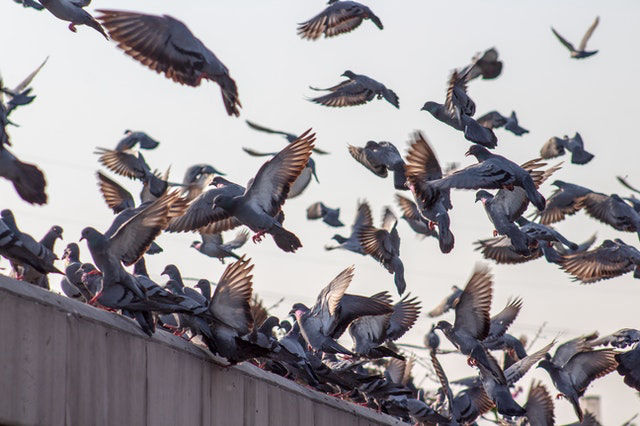
Birds that infest your building present a serious health threat to you, your employees and your consumers. Birds often carry various of dangerous diseases and are a huge risk for spreading them. Not only are they a health risk and an annoyance, but their corrosive droppings can also damage your property. That’s why, MSR Pest Management Giving the best solutions for the birds.

Mobirise

Although a bird’s song can be pleasurable, bird calls, chirping and chattering can, at times, create an annoying racket. Similarly, people that invite showy woodpeckers to bird feeders, want them gone when the males stake out their territories by hammering on structures. Other birds disturb garden plants and consume fruits and berries intended for the table. Herons and kingfishers will pluck fish out of garden fishponds. Birds nesting in attics, eaves, vents and porches are not welcome guests. And when birds consistently pepper parked cars with their corrosive droppings, when geese foul a golf course or when accumulations of bird droppings pose a threat to human health, bird management may be called for.

Mobirise

Other scare devices are visual. These include expensive laser light “hazing” systems that are useful for repelling birds such as geese, crows, and pigeons. But flashing lights, flags, balloons, scare eyes, hawk/owl/snake likenesses, aluminum pie pans, and yes – even the classic scarecrow – are generally ineffective. When they do work, the effect lasts only a short while – until the birds become used to the device, or move elsewhere for reasons not associated with the device. In most instances, the success of scare devices is highly variable and depends on the type and number of birds, attractiveness of the site and alternate sites, timing (once established at a site, birds become more difficult to scare away), the type of devices used (it is best to use two or more devices in combination), and the skill and persistence of persons using the devices. In most cases, if control is to be achieved, the scare tactics must be employed consistently for three or four days
Mobirise
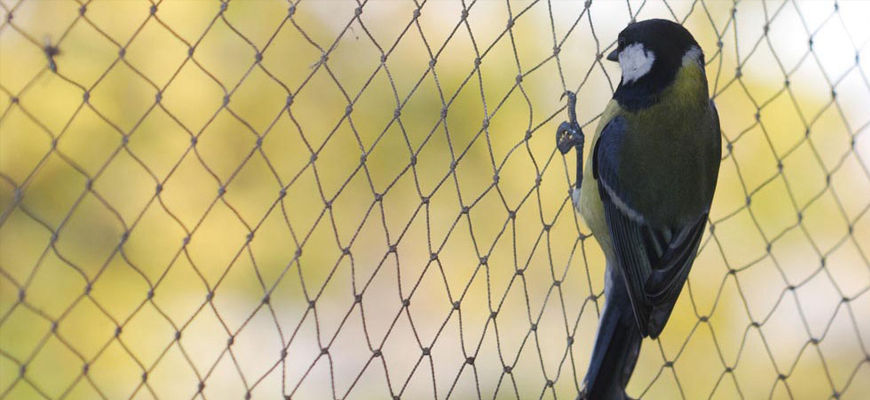
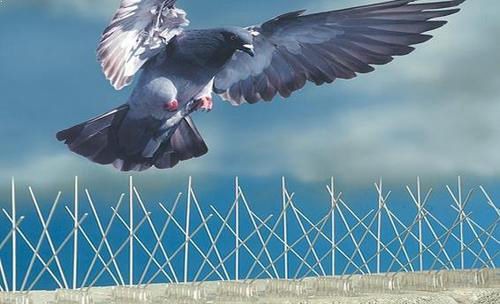
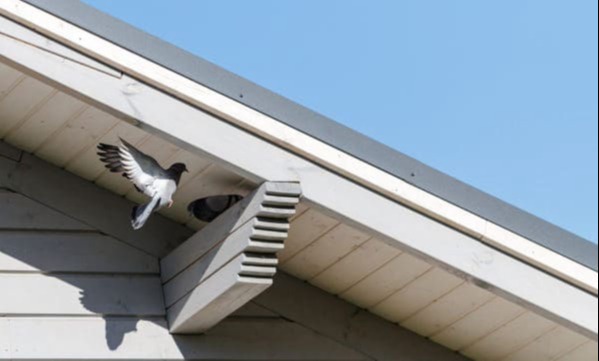
  • More effective means of exclusion exist. These methods use caulk, metal wool, screen wire or hardware cloth to seal nesting and roosting spots on building exteriors. Where birds are feeding on fruit trees or roosting in small trees, the trees can be wrapped with netting to exclude them. As a rule, the following screen/net mesh sizes are best: ¾-inch for sparrows, 1 1/8-inch for starlings and 2 ½-inch for pigeons. Similarly, parts of structures used by drumming woodpeckers can be screened, netted, or filled with caulk, foam or other material to reduce the resonance, making them less attractive drumming sites.
  • When birds get inside buildings, mist netting can be used – but again, only for unprotected bird species. A mist net consists of very fine mesh that birds don’t see until they fly into it and become entrapped. The net should be strung across the bird’s flyways within the structure. Other areas may need to be blocked off, e.g., with sheets of plastic or cloth, to encourage the birds to fly toward the mist.

Send Us Ur Pest Issue

© Copyright 2020 MSR Group - All Rights Reserved